Best Time for a Maldives Photoshoot: Season, Month and Golden Hour
When to book a photoshoot in the Maldives: dry vs wet monsoon, month by month, sunrise vs sunset, tides for sandbanks, Friday ferries and Ramadan, and how to time your arrival day.
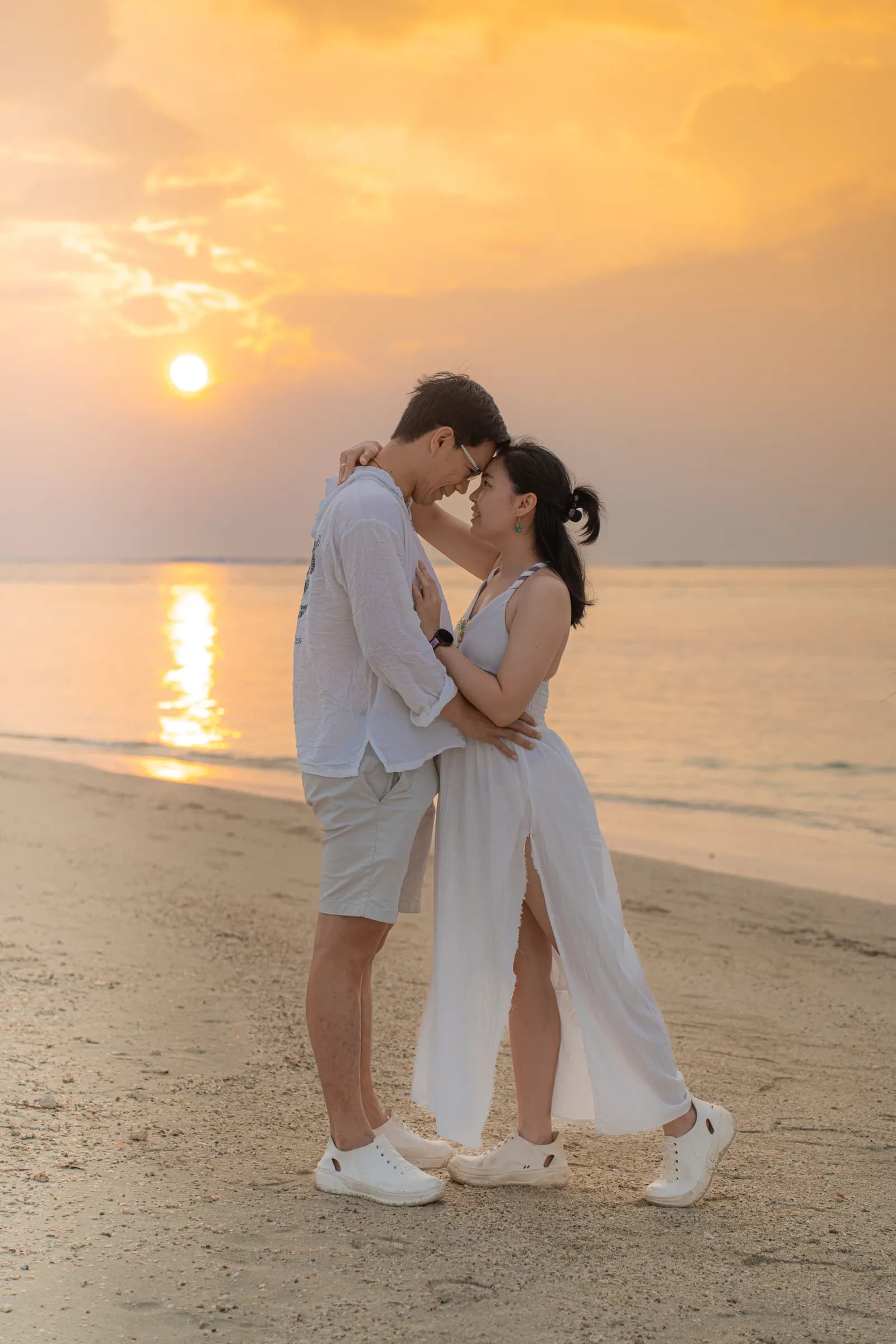
The Maldives sits almost on the equator, so the light itself barely changes across the year: the sun rises around six, sets around six, and the golden hour runs roughly 17:30 to 18:30 every evening. What changes is everything around the light: wind, cloud, sea state, crowds, tides and ferry timetables. This guide walks through the seasons and months, sunrise versus sunset, tides for sandbanks, what happens when the weather turns, and the small logistics that decide whether your photoshoot in the Maldives is easy or a scramble.
Best season for a Maldives photoshoot: dry vs wet monsoon
The dry north-east monsoon, roughly November to April, is the calmest and clearest window: lower humidity, lighter winds, flat lagoons, and the long settled afternoons that make sandbank and drone work predictable. It is also high season, so islands like Maafushi are busier and guesthouses fill earlier. The south-west monsoon, roughly May to October, is wetter and windier, with short heavy showers and choppier crossings. It is quieter, though, rates drop, and it is still very shootable if your dates have a little flex. Rain here rarely lasts all day; the usual pattern is a squall that clears to washed, dramatic skies, which photograph beautifully.
Month by month
- December to March: the sweet spot: driest, calmest, clearest water, busiest beaches. Book early, especially around Christmas, New Year and Valentine's.
- April: still dry and hot, the transition month; light stays excellent and crowds thin after Easter.
- May to July: the south-west monsoon settles in, with more cloud, more wind and fewer people. Surf season is building at Thulusdhoo, and whale sharks remain year-round off Dhigurah.
- August to October: the wettest stretch on average, but with flexible dates we shoot right through it. Manta season at Hanifaru Bay off Dharavandhoo runs roughly May to November, the one place where 'best months' are the opposite of the usual dry-season rule.
- November: the monsoon turns; seas calm, skies clear and the dry season begins.
Sunrise or sunset for a couple photoshoot?
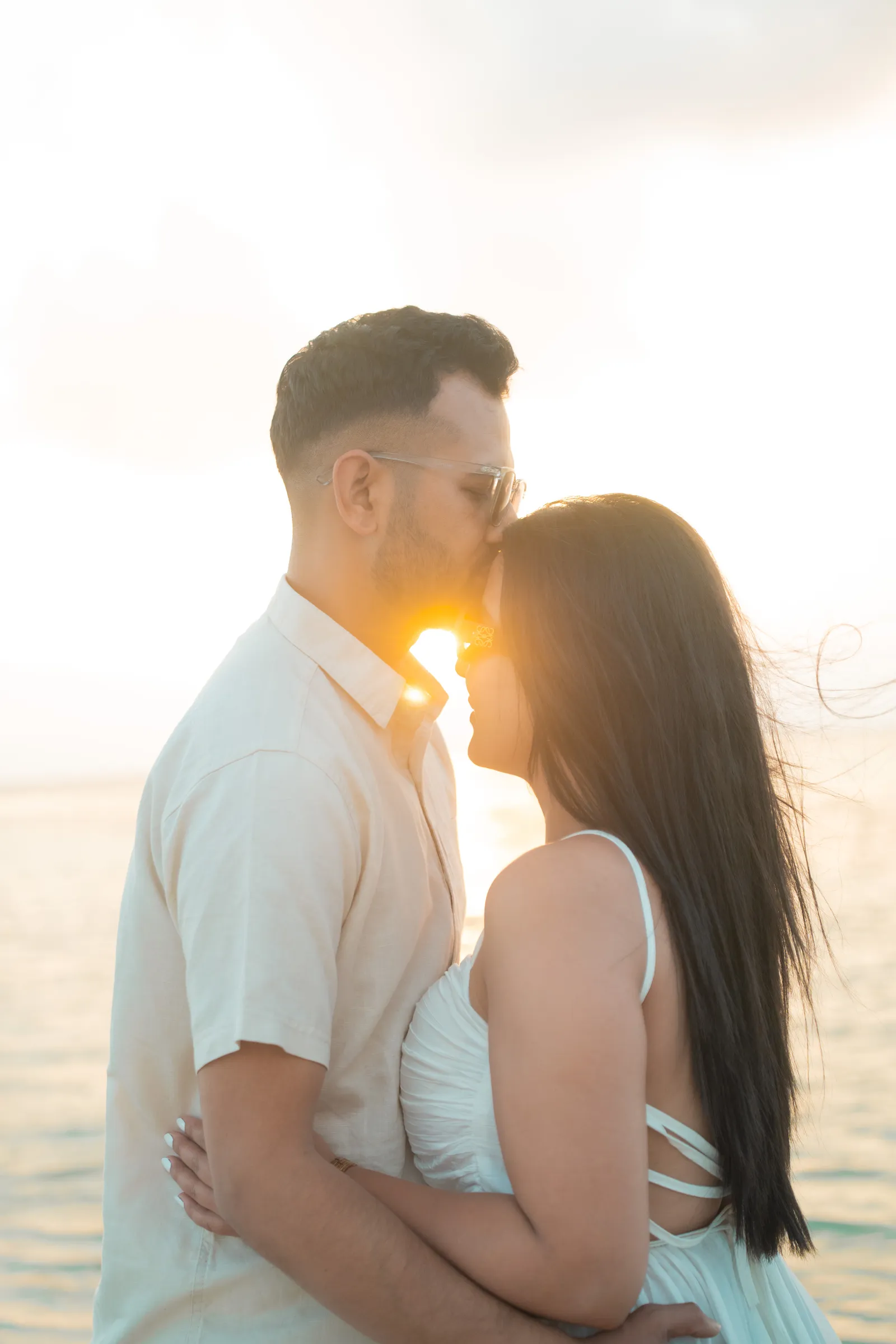
Sunset is the default, and for good reason: the 17:30 to 18:30 window is soft and predictable, and it ends with twenty minutes of blue hour over the lagoon. We schedule every couples, family and solo session around it. Sunrise is the quieter alternative (empty beaches, glassy water, no jet skis), and on east-facing shores like Dhiffushi's ocean side the sun comes straight up over open water. It means meeting at about 05:45, which suits early risers, honeymooners with a packed itinerary, or anyone who wants Maafushi's bikini beach before the lagoon fills by mid-morning. Avoid midday: overhead light is harsh, the sand glares and everyone squints.
Tides and timing for a sandbank or drone photoshoot
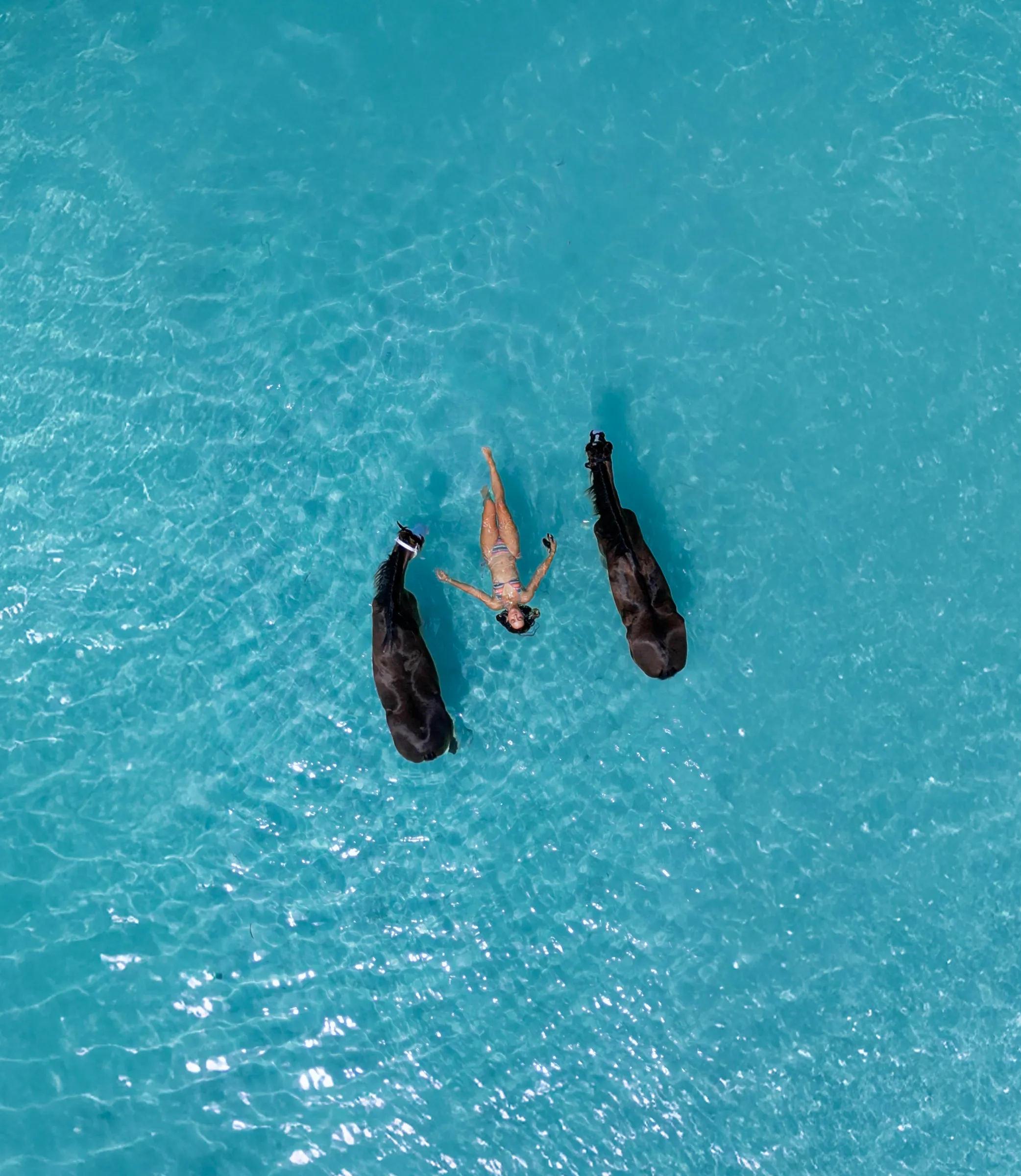
Sandbanks breathe with the tide. At high water some shrink to a strip or vanish; at low water they open into the wide white stage you see in aerial photos, with a clean edge of shallows around them. For a sandbank or drone photoshoot we aim for a falling or low tide inside the golden-hour window, and because the tide shifts by roughly 50 minutes a day, the best evening in a week is not always the one you would guess. Tell us your dates and we check tide tables against the sunset when we quote. Wind matters too: our licensed pilots will not launch in strong gusts, so a calm dry-season evening is the safest bet for the top-down frame.
What happens if the weather turns
We watch the forecast with you in the days before and reschedule around it, usually to the next evening, sometimes to a sunrise slot. A passing shower is not a cancellation; we wait it out under the palms and the light afterwards is often the best of the trip. If the weather does spoil the shoot, our reshoot promise applies, and because you see a preview within 24 hours and only pay the balance after that, you are never left paying for a gallery you did not get. This is also why we ask for a small window of flexibility in the wet season rather than a single fixed hour.
Friday ferries, Ramadan and other logistics
Friday is the Maldivian weekend and the public ferry network largely stops. From Malé to Maafushi and Gulhi there is no Friday service, and several other routes skip Fridays and Mondays too. Scheduled speedboats mostly still run, but if you are relying on the ferry, do not plan to arrive on a Friday for a Friday-evening shoot. Shoots themselves happen on any day; we meet you on the island. During Ramadan, island cafés may close in daylight hours and the rhythm of the village changes, but beaches, boats and sunsets carry on as normal; we work around prayer times and will tell you if a particular evening is tight. Public holidays and Eid bring more local families to the beaches, which is lovely for atmosphere and slightly busier for clean frames.
How to time your arrival day
- Do not book the shoot for arrival day. Long-haul flights into Velana, a transfer and a 17:30 call time rarely line up, and tired faces photograph tired.
- Day two or three is ideal: you have settled, you have seen the beach, and there is still time to reshoot if a squall moves in.
- Leave the last full day free as a back-up, not as the first choice.
- From Malé to Maafushi allow about 35 minutes by shared speedboat (around 25 USD) or 90 minutes by public ferry (about 2 USD, daily except Friday, departing around 15:00, which is too late for a same-day golden-hour shoot).
- Island-hopping? Put the shoot on the island where you spend the most nights, and we will check that island's transfer days before we confirm.
Send us your travel dates and island on WhatsApp and we will come back within 24 hours with the evening we would choose, the tide and sunset times for it, and a quote. You pay nothing until you confirm.
Questions about this guide
December to March offers the driest, calmest and clearest conditions. November and April are very good too. May to October is wetter and windier but quieter, and still shootable with a flexible date.
Roughly 17:30 to 18:30 all year, because the Maldives sits near the equator. Sunrise is around 06:00. We schedule every session around the evening golden hour unless you ask for sunrise.
Yes. Showers are usually short and clear to dramatic skies. We watch the forecast with you, move the session if needed, and our reshoot promise covers the shoot if the weather spoils it.
Very much. Sandbanks are widest at low tide, so we aim for a falling or low tide during golden hour and check tide tables against your dates when we quote.
Mostly not. Friday is the weekend and the public ferry from Malé to Maafushi and Gulhi does not run. Scheduled speedboats usually do. Plan arrivals accordingly; the shoot itself can be any day.
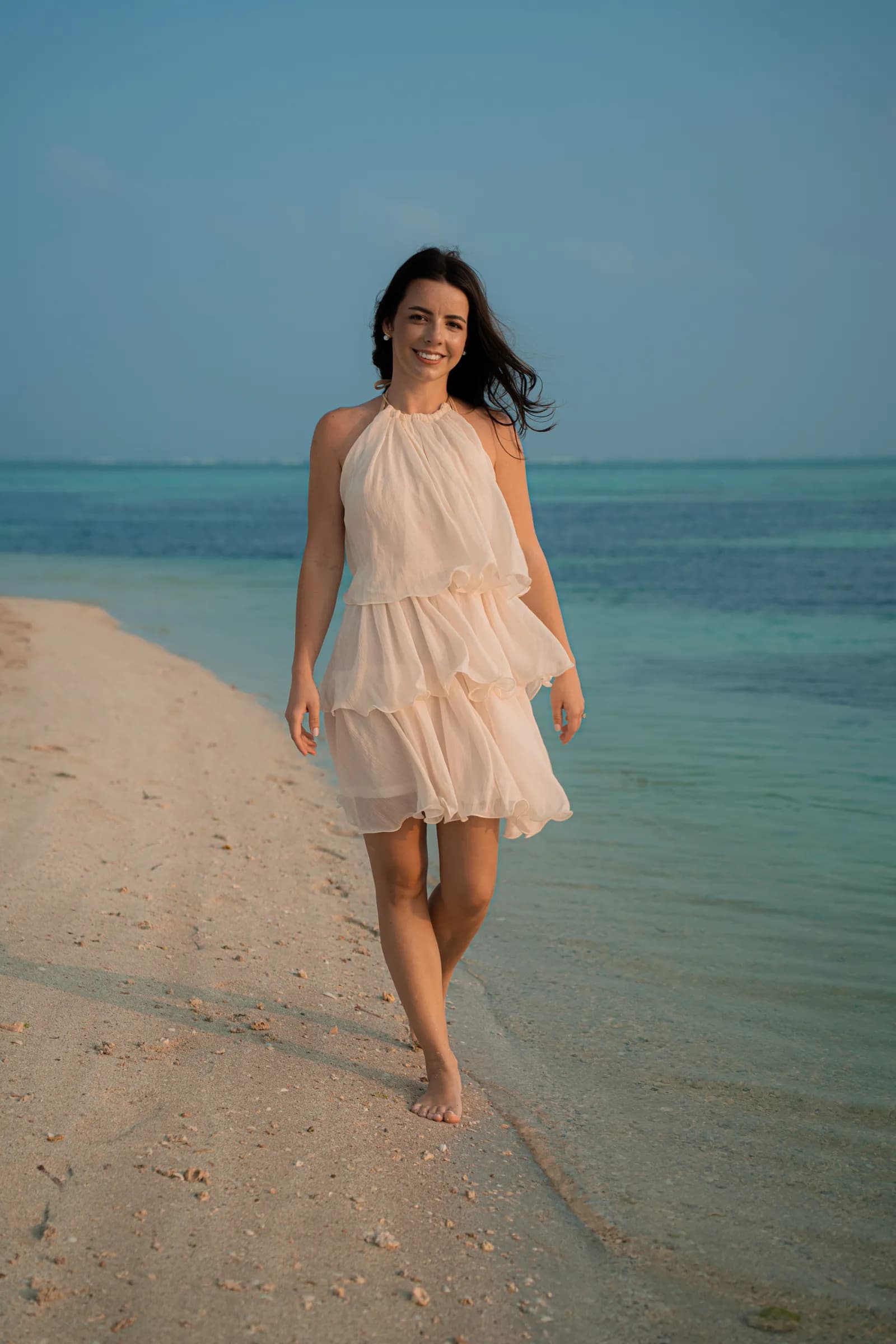
Tell us your dates and island. We'll handle the rest.
Plan my photoshootAvailability and a quote within 24 hours. No payment to enquire.More guides
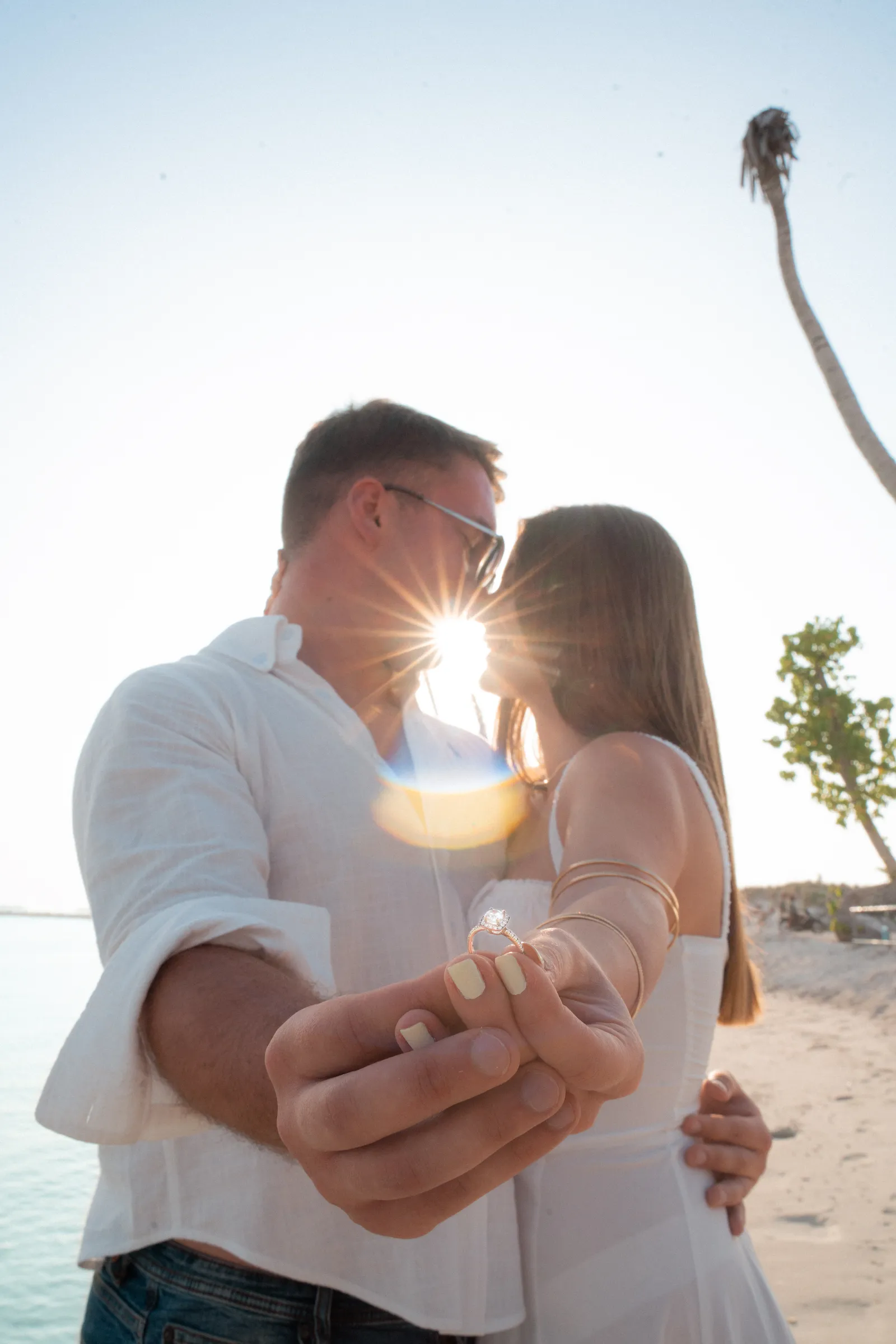
Maldives Photoshoot & Wedding Photography 2026: The Complete Guide
Everything you need to plan a Maldives photoshoot or wedding photography in 2026: the types of session, what ceremonies for foreign couples involve, the best islands and resorts, when to travel, what it costs, drone rules and how to book a photographer who is on the island when you are.
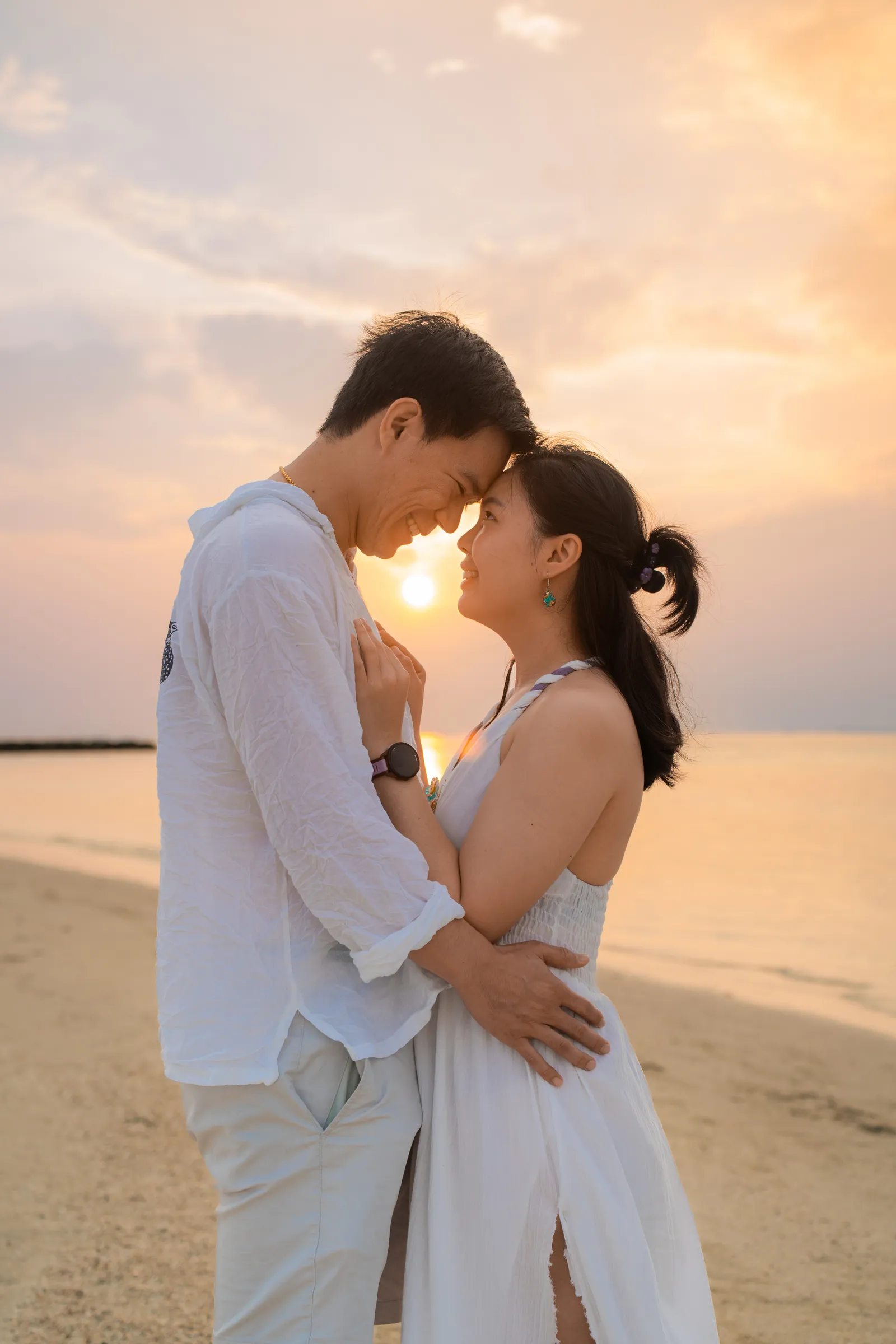
Maldives Couple Photoshoot: Prices, Locations, Timing and What to Wear (2026)
The full planning guide to a Maldives couple photoshoot: prices from US$300 for 90 minutes, what moves the cost, which locations work (beach, sandbank, overwater villa, waterline), how far ahead to book, what to wear, how to vet a Maldives photographer and what happens on the day.
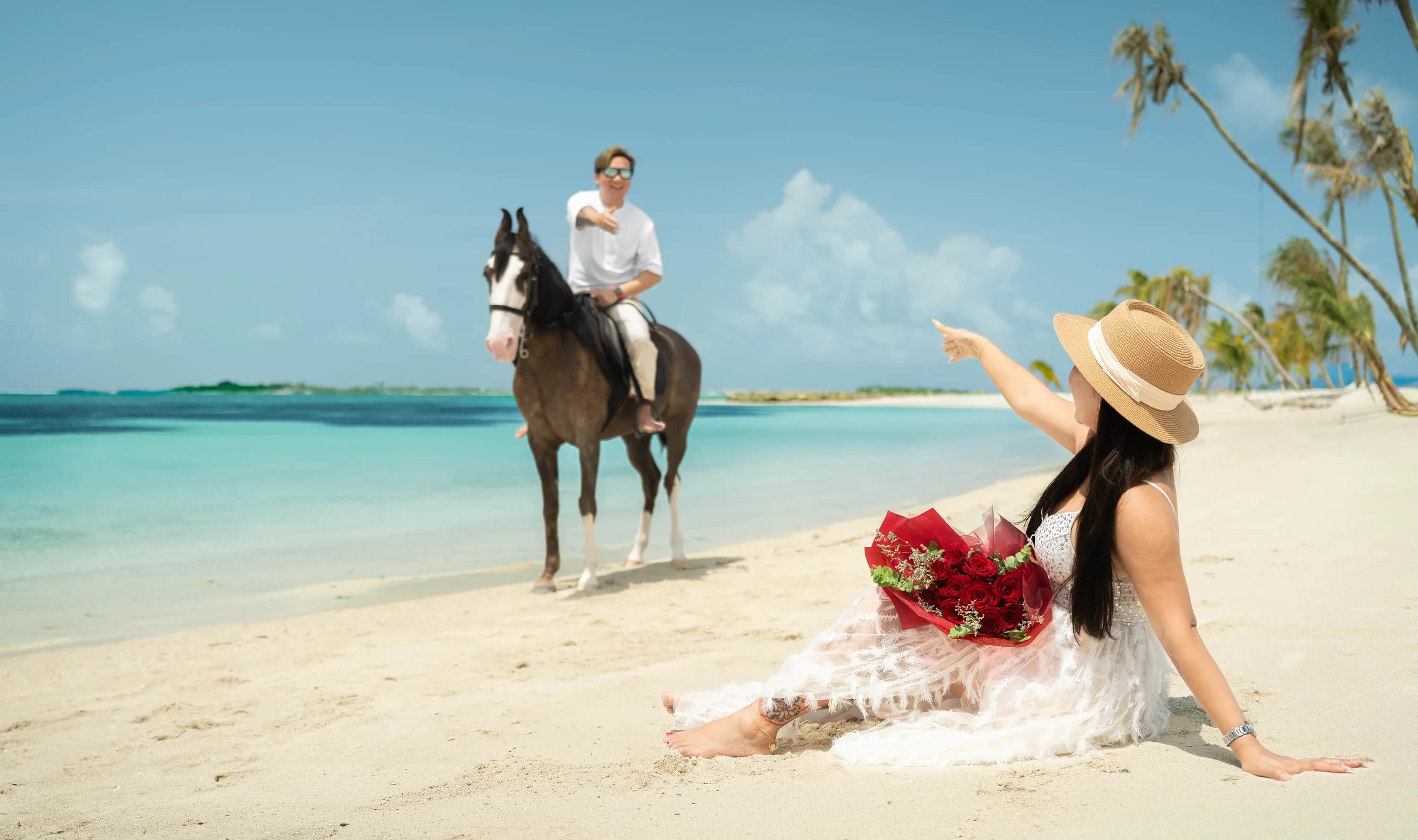
Best Islands for a Photoshoot in the Maldives (Local Islands vs Resorts)
Local island, resort or sandbank? A photographer's guide to choosing where to shoot in the Maldives, with honest profiles of nine islands from Maafushi to Dharavandhoo.